Food
Olive oil around Brindisi: the Collina di Brindisi DOP, oil mills to visit and how to bring it home
Quick answer
The province of Brindisi produces Collina di Brindisi DOP, an extra virgin olive oil made mainly from Ogliarola olives in the hills around Ostuni, Carovigno, Fasano and Cisternino. You can visit underground oil mills and ancient olive trees at places like Masseria Brancati near Ostuni. The harvest runs from October to December. Carry oil in checked luggage or have it shipped.
| Local DOP | Collina di Brindisi, recognised in 1996 |
|---|---|
| Main olive | Ogliarola, at least 70% |
| Production area | Carovigno, Ceglie Messapica, Cisternino, Fasano, Ostuni, San Michele Salentino, San Vito dei Normanni, Villa Castelli |
| Taste | Fruity, with light bitterness, leafy notes and a peppery finish |
| Harvest | October to December; DOP harvest must end by 31 January |
| Oil mills to visit | About 35 to 50 min from Brindisi |
| Flying home | Checked luggage only, or ship it |
Why is the olive oil around Brindisi special?
In November the villages north of Brindisi smell green. It is the smell of the mills, working day and night, and of the oil that comes out of them: cloudy, almost fluorescent, so peppery it makes you cough. Locals bring bread to the mill and eat it there, dripping, standing by the machines. If you ever get that chance, take it.
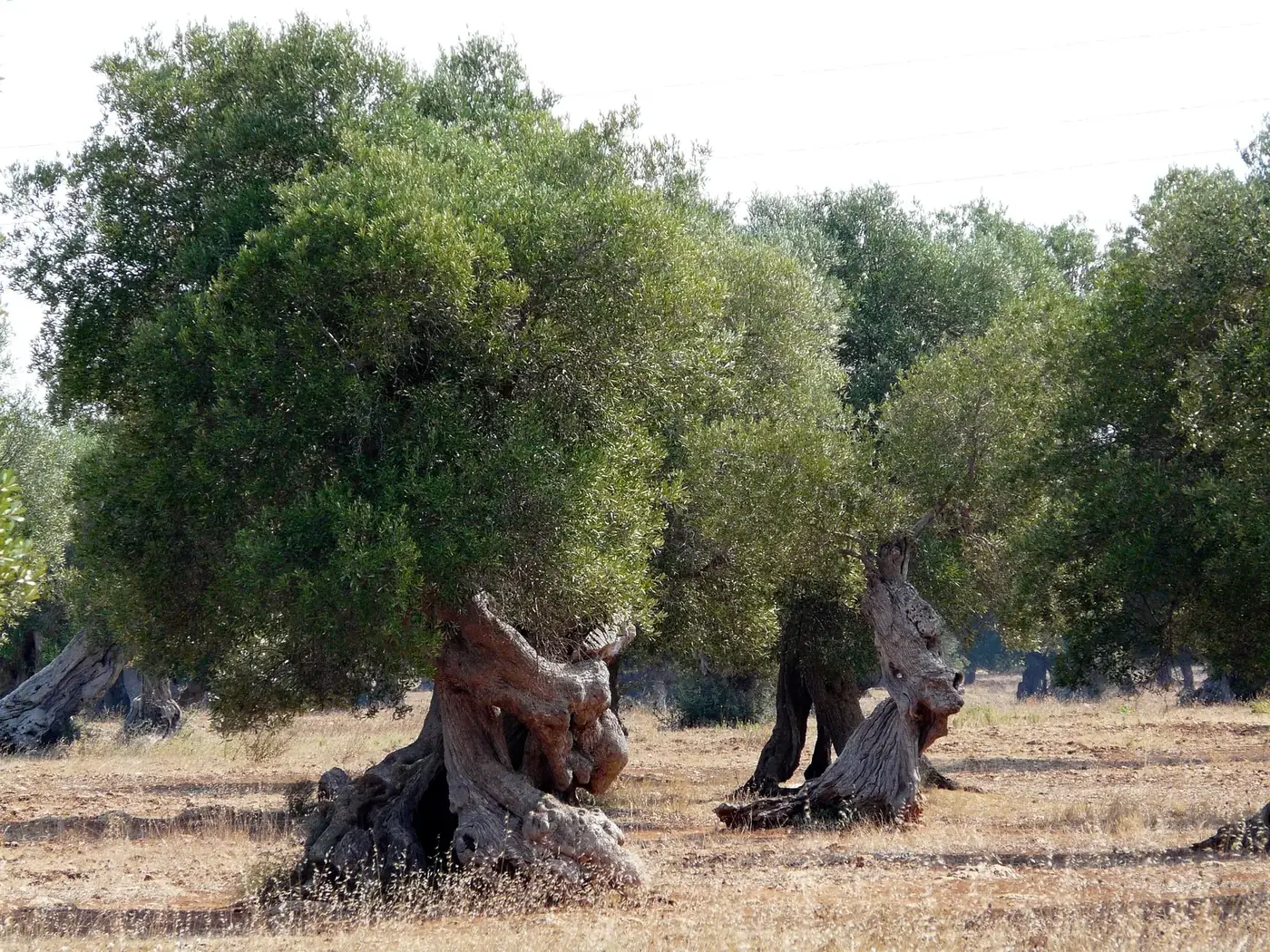
The province of Brindisi sits at the southern edge of one of the great olive landscapes of the Mediterranean. Between Carovigno, Ostuni and Fasano, on the plain that runs down to the sea, there are ancient olive trees with trunks as wide as a car, some of them many centuries old. On the low hills behind, the olives are pressed into an oil with its own protected name.
This guide explains that name, the mills you can visit, when to come, and the practical question every visitor asks at the end: how do I get five litres of this home?
What is Collina di Brindisi DOP?
Collina di Brindisi is a protected designation of origin (DOP in Italian, PDO in English) for extra virgin olive oil, registered in 1996. The rules are strict and worth knowing, because they tell you what you are buying.
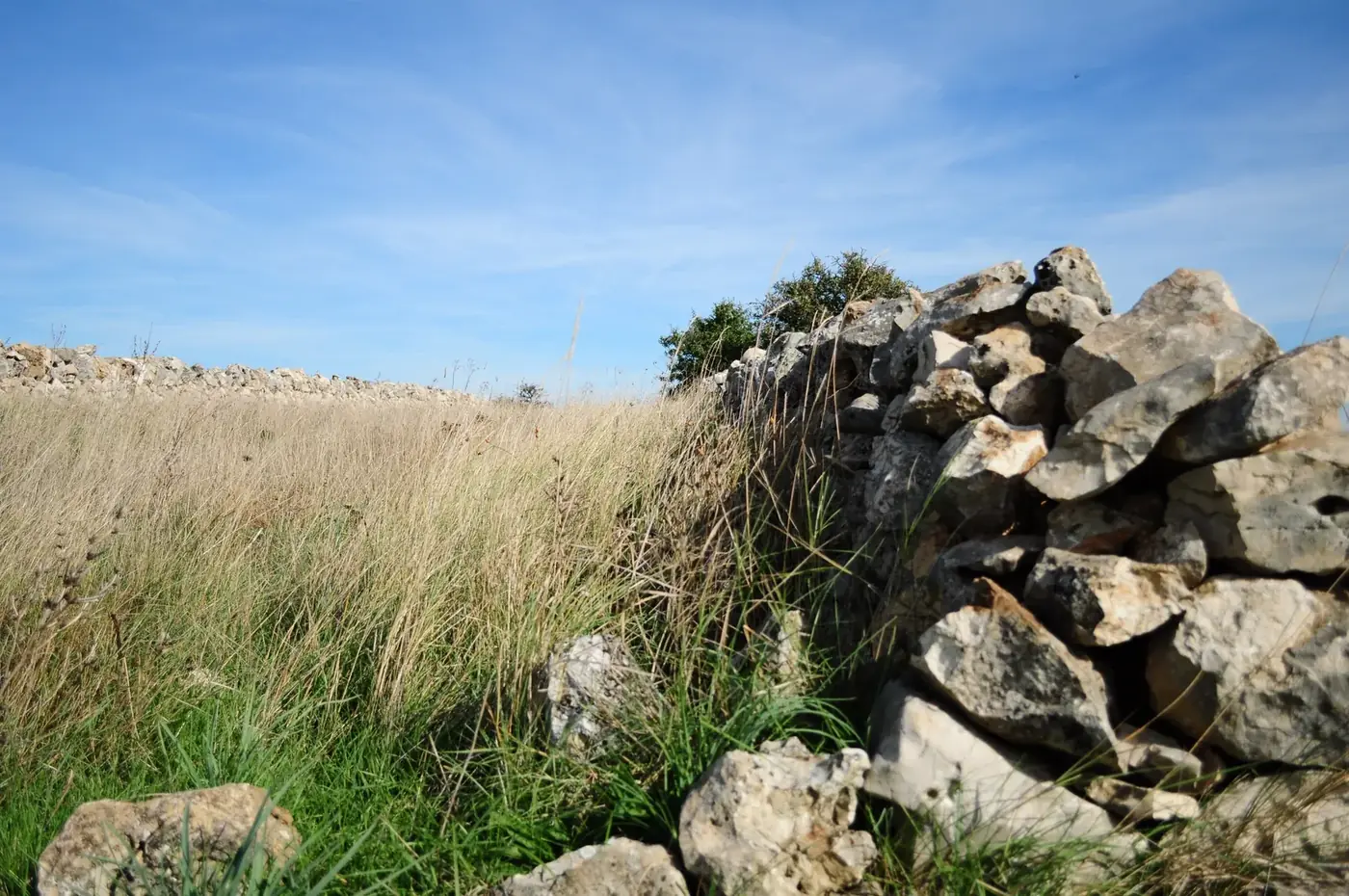
- Where: only eight municipalities in the province of Brindisi, mostly on the hills: Carovigno, Ceglie Messapica, Cisternino, Fasano, Ostuni, San Michele Salentino, San Vito dei Normanni and Villa Castelli. Interestingly, the city of Brindisi itself is not in the area.
- Which olives: at least 70% Ogliarola, with the rest from varieties such as Cellina di Nardò, Coratina, Frantoio, Leccino and Picholine.
- How: olives must be milled within two days of reaching the mill, and the harvest must end by 31 January.
- Quality: acidity no higher than 0.8%, the general limit for extra virgin.
- Taste: fruity, with light bitter and leafy notes and a mild peppery finish.
Not every good oil in the area carries the DOP label. Many family producers make excellent extra virgin without certifying it, and many bottles in local shops simply say "extra virgin olive oil from Puglia". The DOP is a guarantee of origin and method, not the only route to quality.
| Label you see | What it tells you |
|---|---|
| Collina di Brindisi DOP | Olives from eight named towns, mainly Ogliarola, controlled process |
| Terra d'Otranto DOP | Another Puglian DOP covering much of the Salento, including parts of the province of Brindisi |
| Olio extra vergine di oliva 100% italiano | Italian olives, no specific area |
| Olio di oliva (no "extra vergine") | A refined blend, for cooking, not a souvenir |
| Harvest date (campagna olearia) | The most useful line: buy the latest harvest |
What is a frantoio ipogeo?
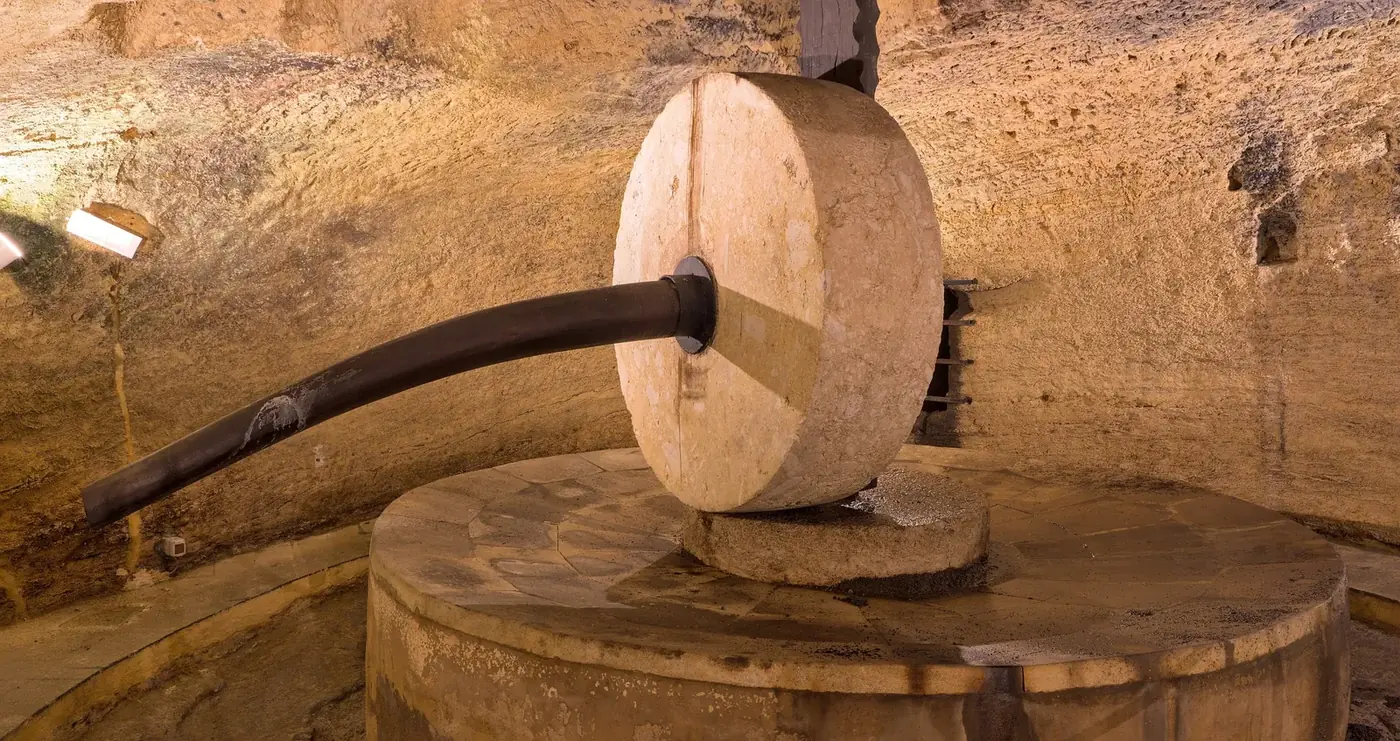
A frantoio ipogeo is an underground oil mill, carved into the soft local rock. From the Middle Ages until the eighteenth and nineteenth centuries, much of Puglia's oil was pressed in these caves. The reasons were practical: the rock kept a steady, mild temperature, which helped the oil separate and flow in winter, and the olives could be tipped in through holes in the ceiling.
Inside you see the big stone millstone, once turned by a mule, the wooden or stone presses, the stone basins where oil and water separated, and sometimes the corners where workers and animals slept for the whole season, months without daylight. It is a hard, moving place, and it explains why oil was called liquid gold here.
Which oil mills and olive groves can you visit near Brindisi?
These are places we have verified welcome visitors. All are by booking only, and opening varies with the season, so contact them before you go.
| Place | Where | From Brindisi | What you see |
|---|---|---|---|
| Masseria Brancati | Contrada Brancati, Ostuni | About 35 to 40 min | Underground mill, more than a thousand monumental olive trees, guided visits in Italian or English |
| Extravergine Savoia | Pezze di Greco, Fasano | About 45 to 50 min | Olive oil museum, medieval underground mill, ancient trees, tasting of three oils |
| Masseria Il Frantoio | Ostuni countryside | About 35 min | Olive oil tasting with the owner, property tour, light lunch |
Masseria Brancati is the best known: a fortified farm in the olive plain whose owners date their underground mill back to ancient times and whose trees include some of the oldest in the area. Visits are led by the owner or specialist guides and booked through an online form. They sell their oil on site and ship it.
Extravergine Savoia combines a small museum of oil-making tools, a walk among old trees and a descent into a medieval mill, ending with a tasting. A visit takes 30 to 60 minutes, so it pairs well with lunch in Fasano or a swim at the coast.
If you visit between October and December, ask any modern mill in the villages whether you can watch the pressing. Many family mills will let you look in and buy new oil straight from the tank, filled into tins.
When is the olive harvest in Puglia?
The harvest usually starts in October and runs into December, sometimes January for late varieties. The DOP rules set 31 January as the final date. Early harvest, in October, gives greener, more bitter and peppery oil with lower yields; later harvest gives rounder, milder oil.
The best time for a visitor is November: the mills are busy, the olio nuovo is available, the weather is often still mild, and the villages hold small food festivals. Our guide to the best time to visit Brindisi covers what else autumn offers.
A word of honesty: since the 2010s the olive trees of southern Puglia have been hit by Xylella fastidiosa, a bacterium that dries out and kills olive trees. It spread from the Salento northwards and has reached parts of the province of Brindisi, including the area of ancient trees near Ostuni. You will see grey, dead groves on some roads. Buying oil from local producers, and visiting the masserie that are fighting to save their trees, is one practical way to support them.
How do you choose and taste good extra virgin oil?
- Check the harvest year. Oil is best within about 12 to 18 months of pressing. Buy the most recent campagna.
- Prefer dark glass or tins. Light damages oil. Avoid clear bottles that have been sitting in a shop window.
- Taste it neat. Pour a little into a small cup, warm it in your hand, smell it, then sip and draw in air. Good oil smells of cut grass, artichoke or tomato leaf.
- Welcome the bitter and the pepper. A slight bitterness and a scratch in the throat are signs of fresh, healthy oil, not defects.
- Avoid flat or musty smells. Wine-like, mouldy or rancid notes mean poor olives or old oil.
Store it at home in a cool, dark place, ideally 14 to 18 degrees, away from the cooker, and finish it within the year.
How do you bring olive oil home from Brindisi?
Oil is a liquid, so it follows the liquid rules. Plan this before you buy five litres.
| Method | Good for | Notes |
|---|---|---|
| Hand luggage | Tiny bottles only | Liquids above the small limit are not allowed through security. Rules depend on the airport's scanners; check before flying. |
| Checked suitcase | 1 to 3 litres | Tins travel better than glass. Put each in a sealed plastic bag, wrap in clothes, place in the centre of the case. |
| Shipping from the producer | Larger quantities, gifts | Some producers, including Masseria Brancati, ship in Italy and abroad. Ask about costs and customs for non-EU countries. |
| Buying after airport security | One last bottle | Choice is limited and prices higher, but it can go in the cabin. |
Within the EU, personal quantities are not a problem. For the UK, USA, Canada and Australia, olive oil for personal use is usually allowed, but check the customs rules of your country before travelling.
Oil, bread and a terrace: staying at BDS House
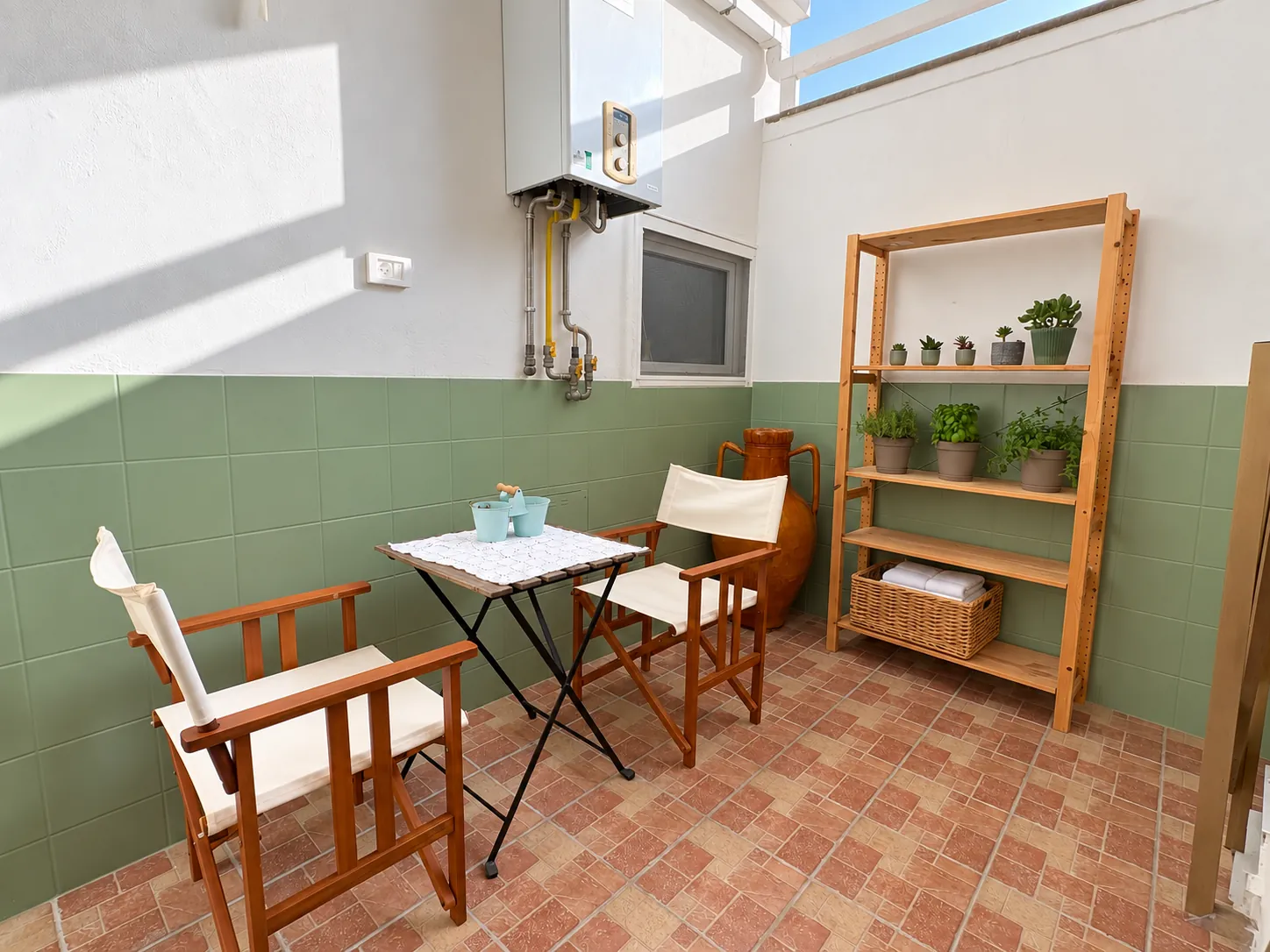
A bottle of new oil needs bread, tomatoes and a table. BDS House is a whole home in Brindisi's old town with a full kitchen and two private terraces, sleeping up to six, about 10 minutes from the airport. The covered market and the bakeries are on foot, and the oil mills near Ostuni and Fasano are under an hour by car. It is an easy base for an autumn trip built around the harvest, with Brindisi's quiet old town for the evenings. You can check dates and book direct.
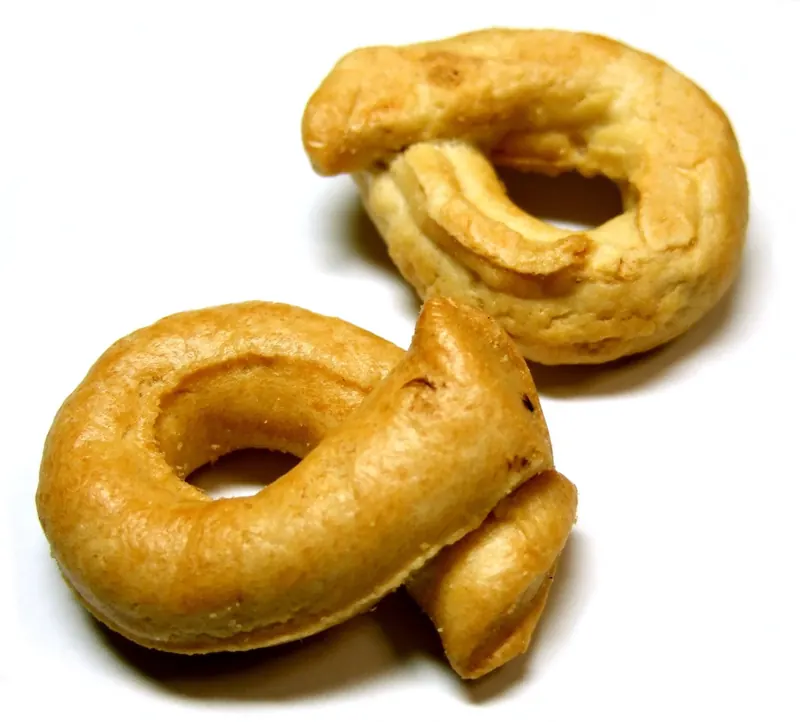
For the rest of the local table, see what to eat in Brindisi; for taralli, the other souvenir that always comes home, read our taralli guide; and for classes and tastings, our guide to food experiences near Brindisi.
Questions travellers ask
What is Collina di Brindisi DOP olive oil?
It is a protected designation of origin for extra virgin olive oil, registered in 1996, made from at least 70% Ogliarola olives in eight towns in the province of Brindisi, including Ostuni, Carovigno, Fasano and Cisternino. The oil is fruity, with light bitterness, leafy notes and a mild peppery finish, and its acidity is capped at 0.8%.
Can I visit an olive oil mill near Brindisi?
Yes. Masseria Brancati near Ostuni offers guided visits by appointment to an underground mill and monumental olive trees. Extravergine Savoia at Pezze di Greco, near Fasano, has an oil museum, a medieval underground mill and tastings. Both are about 35 to 50 minutes from Brindisi. In harvest season, village mills often let you watch.
When is olive oil season in Puglia?
The harvest usually runs from October to December, sometimes into January; DOP rules require it to end by 31 January. November is the best month for visitors, when mills are busy and new oil, olio nuovo, is available. Early harvest oil is greener and more peppery; later oil is milder.
Can I take olive oil in my hand luggage from Brindisi airport?
Only in very small containers within the liquid limits. Larger bottles or tins must go in checked luggage, sealed in plastic bags and wrapped in clothes, or be shipped by the producer. Check the current security rules for Brindisi airport and your airline before flying.
What is a frantoio ipogeo?
A frantoio ipogeo is an underground oil mill carved into the rock, used in Puglia from the Middle Ages until the eighteenth and nineteenth centuries. The stable temperature helped the oil flow in winter. Inside you see stone millstones, presses and separation basins. Masseria Brancati and Extravergine Savoia near Brindisi offer visits.
How can I tell if olive oil is good quality?
Check the harvest year and buy the latest, choose dark glass or tins, and taste it neat. Good extra virgin smells of cut grass, artichoke or tomato leaf, and has a slight bitterness and a peppery scratch in the throat. Flat, musty, wine-like or rancid smells mean poor quality or old oil.
Is the city of Brindisi part of the Collina di Brindisi DOP area?
No. Despite the name, the DOP covers eight municipalities mostly on the hills north and west of the city: Carovigno, Ceglie Messapica, Cisternino, Fasano, Ostuni, San Michele Salentino, San Vito dei Normanni and Villa Castelli. They are all within about 20 to 50 minutes of Brindisi by car.
Has Xylella affected olive trees near Brindisi?
Yes. Xylella fastidiosa, a bacterium that kills olive trees, spread from the southern Salento northwards and has reached parts of the province of Brindisi, including the plain of ancient trees near Ostuni. Many producers are replanting and protecting monumental trees. Buying oil directly from local producers supports their work.
Sources and further reading
- Regione Puglia, Collina di Brindisi DOP
- Masseria Brancati, Ostuni
- Xylella fastidiosa on Wikipedia
- Visit Puglia, official tourism site
Times and prices are approximate and change by season. Last checked on 3 October 2026.